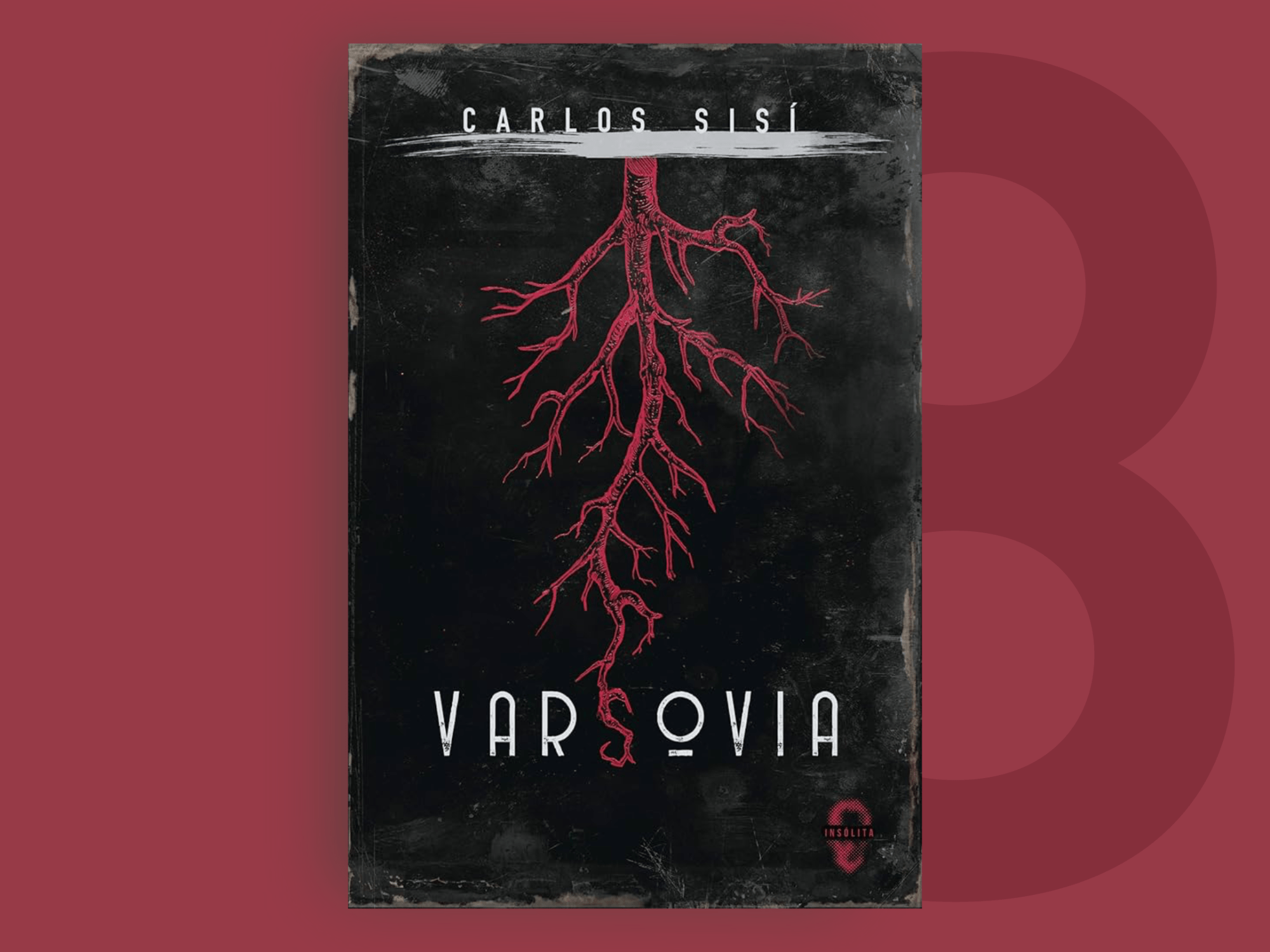
I used to tear through every horror book I could get my hands on as a teen. But somehow, over time, I just drifted away from the genre, drawn instead to other fantastical worlds. Lately, though, I’ve found myself exploring books that, while not strictly horror, definitely have some of its chilling characteristics. Carlos Sisí’s Varsovia (Warsaw) is a perfect example, masterfully blending horror with apocalyptic science fiction and history.
The book presents a chilling narrative set in a world where humanity gradually succumbs to an irresistible urge to sleep and dream, abandoning reality for increasingly vivid and appealing dreamscapes. As society grinds to a halt, a group of patients from a psychiatric hospital outside Paris finds themselves unexpectedly thrust into this decaying world. Their journey leads them to uncover a connection between the global phenomenon of perpetual sleep and the dark history of the Warsaw Ghetto during World War II. It’s quite an original premise that immediately got me hooked.
As you read, you grow quite attached to the characters, especially the group of psychiatric patients who, for some reason, are immune to this global sleeping sickness. Their individual struggles with mental illness, their unique ways of seeing the world, and their sheer resilience in the face of collapse make them incredibly compelling and, in some cases, relatable.
However, it’s worth noting that “Varsovia” isn’t without its little quirks. The story is complex, with multiple timelines and deep historical connections, and sometimes that intricacy can feel overwhelming. And while the ending is certainly impactful, it can be a bit ambiguous or open-ended, which might not be everyone’s preference if you like clear-cut resolutions.
With all this said, I give it a strong 8 out of 10. However, I must leave you with a heads-up: it’s a horror novel that uses explicit language and tackles very dark themes, especially those connected to the Holocaust, so it can be quite intense and disturbing.
– S –
Note: I couldn’t find an English version for this book. I read it in Spanish.
 Imaginary Worlds Book Club