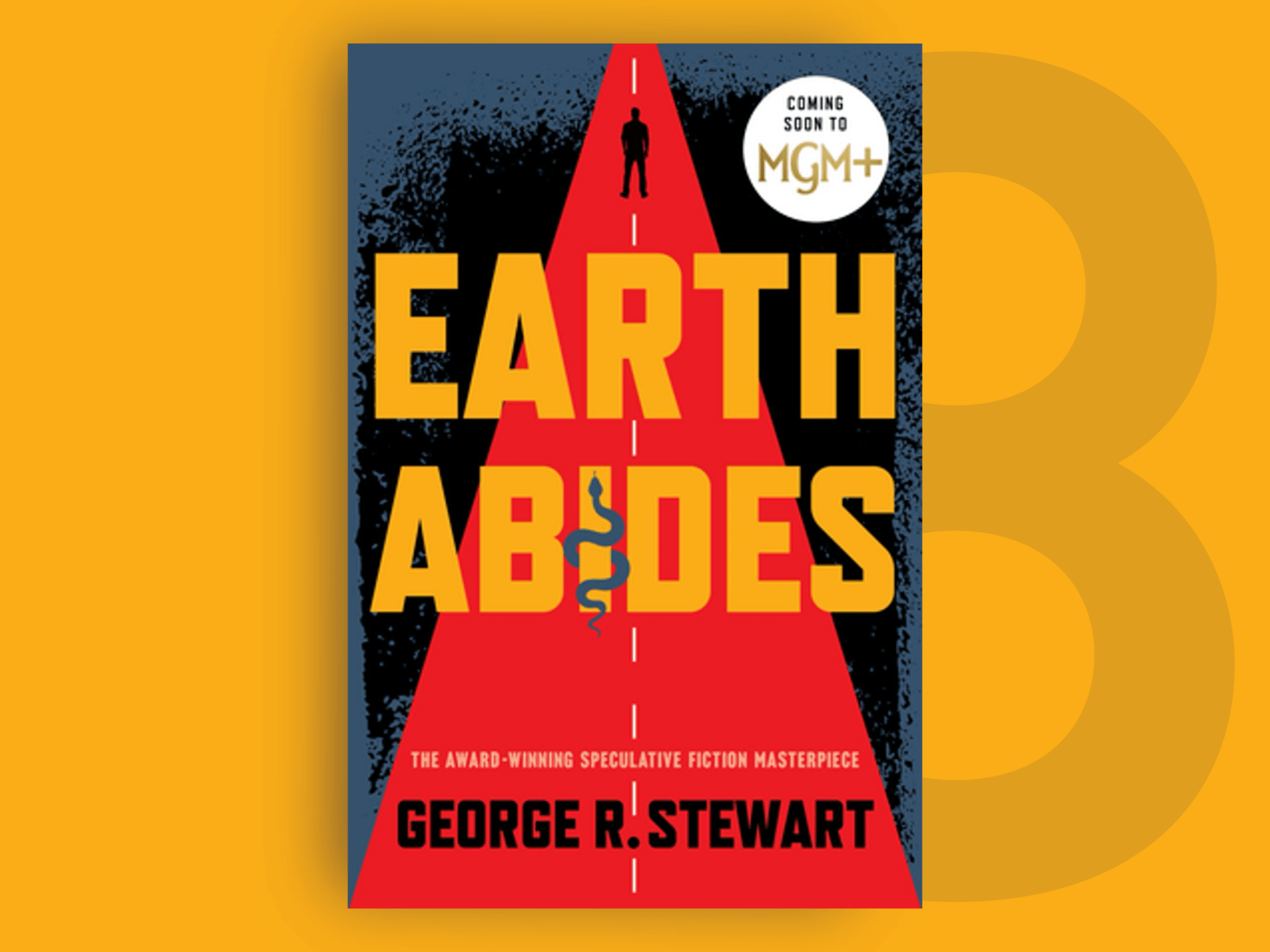
Combing the internet for new imaginary worlds to explore, I stumbled upon “Earth Abides.” As I always do, I screenshotted the page and favourited it, planning to decide later if I would buy the book.
I never did buy it, because life is full of coincidences. A few days later, someone I had recently befriended offered to lend me “La Tierra Permanece,” a book he had deeply enjoyed. Only when I got home did I realize it was the Spanish edition of “Earth Abides.”
“Earth Abides,” by George R. Stewart, tells the story of Isherwood Williams, a man who survives a global pandemic that decimates humanity. As he navigates a drastically changed world, he witnesses nature reclaiming urban landscapes and grapples with profound loneliness. Eventually, he encounters other survivors, and the novel explores their efforts to form a new community, adapting to a world stripped of modern conveniences.
The novel distinguishes itself through its quiet yet profound exploration of humanity’s resilience. Instead of focusing on the cataclysm, it examines the decades-long process of adaptation, showing how a small group of survivors slowly begins to forge a new existence amidst the reclaimed wilderness of a post-human world. It’s a contemplative journey, less about dramatic conflict and more about the struggle to preserve knowledge, build community, and rediscover what it means to be human when civilization has fallen into ruin.
I thoroughly enjoyed the book’s unique take on the post-apocalyptic genre. However, I can see how readers accustomed to more action-driven stories might find its deliberate pacing a bit slow, potentially lacking in significant plot events.
Beyond pacing, the book, being a product of 1949, inevitably reflects the social norms and biases of its time. For example, female characters tend to be somewhat stereotypical, often limited to traditional roles like “Earth Mothers” or housewives. Additionally, while Ish’s internal journey and existential musings drive the narrative, other characters in the community frequently serve as little more than supporting actors for his ideas, leading to a noticeable lack of depth or agency among them.
That said, the book’s ecological insights and long-term societal vision are ahead of their time, making it well worth reading. I give it an 8.
– S –
 Imaginary Worlds Book Club