World Bank data reveals a stark reality: with an average lifespan of 78 years, our truly free time – after accounting for necessities like sleep, meals, shopping, education, childcare, and other essential tasks – amounts to a mere nine years. That’s just two hours a day! This underscores the immense value of time; it’s our most precious commodity, irretrievable once spent… That is unless you can travel through time.
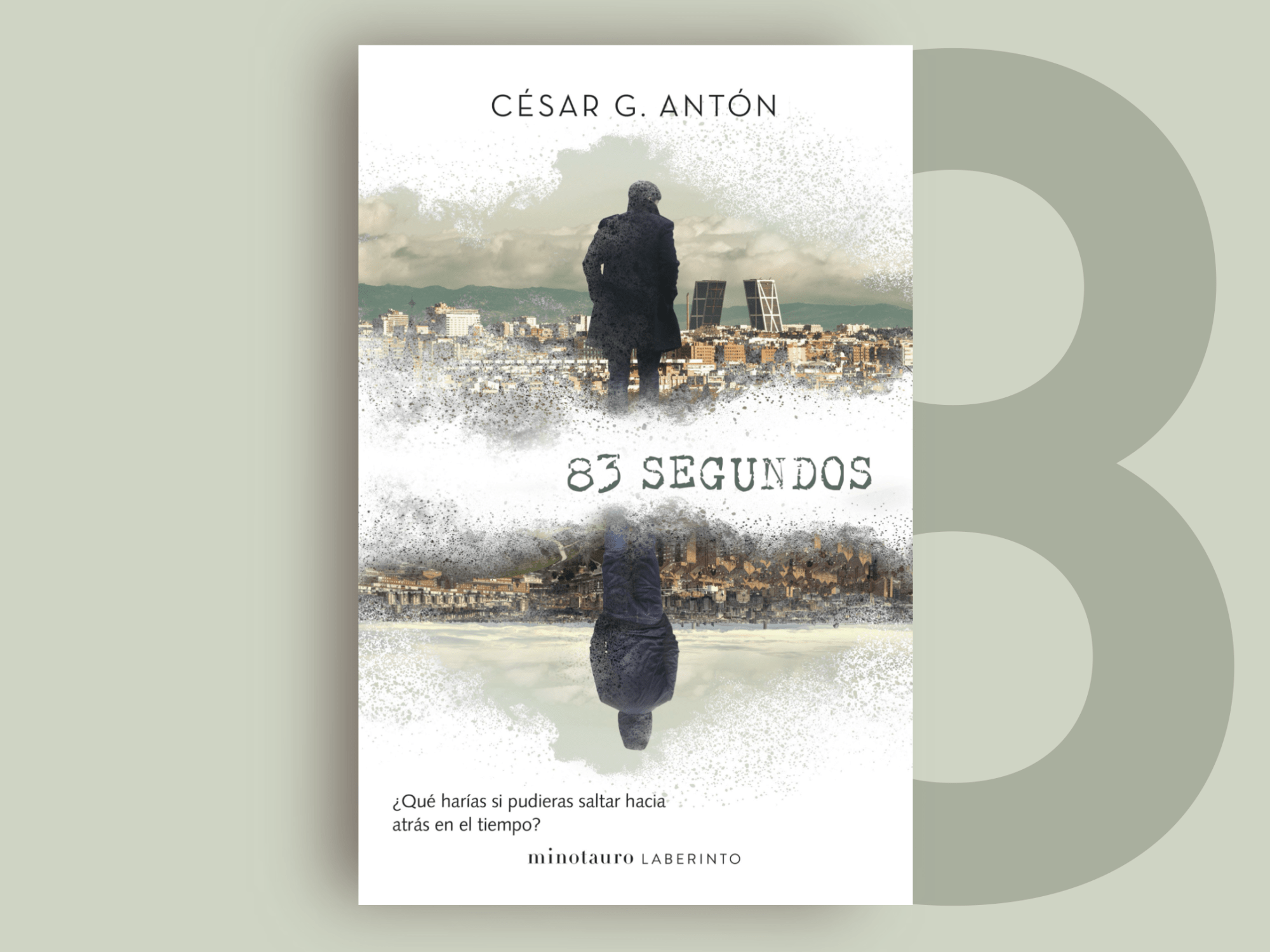
César G. Antón’s “83 Segundos” (83 Seconds) explores precisely this idea. We follow Víctor Piñol, a 35-year-old news editor in Madrid, who leads a rather unremarkable life, marked by a teenage trauma that continues to haunt him. On his birthday, however, his life takes an extraordinary turn when he accidentally discovers he can travel back in time. In a move many of us might make, Víctor uses this ability to revisit and potentially reshape past events. This temporal journey becomes a profound process of self-discovery, compelling him to confront his regrets and grasp the true meaning of his experiences.
Admittedly, described in this way, the story might not immediately strike one as particularly unique within the realm of time travel narratives. However, there are several nuances – which I’ll refrain from disclosing to avoid spoilers – that elevate it to a very interesting read.
For those who experienced Madrid in the 2000s, the novel offers a nostalgic glimpse into a generation navigating the shift from analog to digital. Beyond this, the book explores themes of urban melancholy and anthropological pessimism, prompting a deeper contemplation of human nature and our apparent inability to avoid self-created abysses.
This debut novel by César G. Antón, unfortunately, doesn’t appear to have an English translation currently. I sincerely hope it’s translated into other languages soon, as it’s a worthwhile read. I’d rate it an 8 out of 10.
– S –
 Imaginary Worlds Book Club