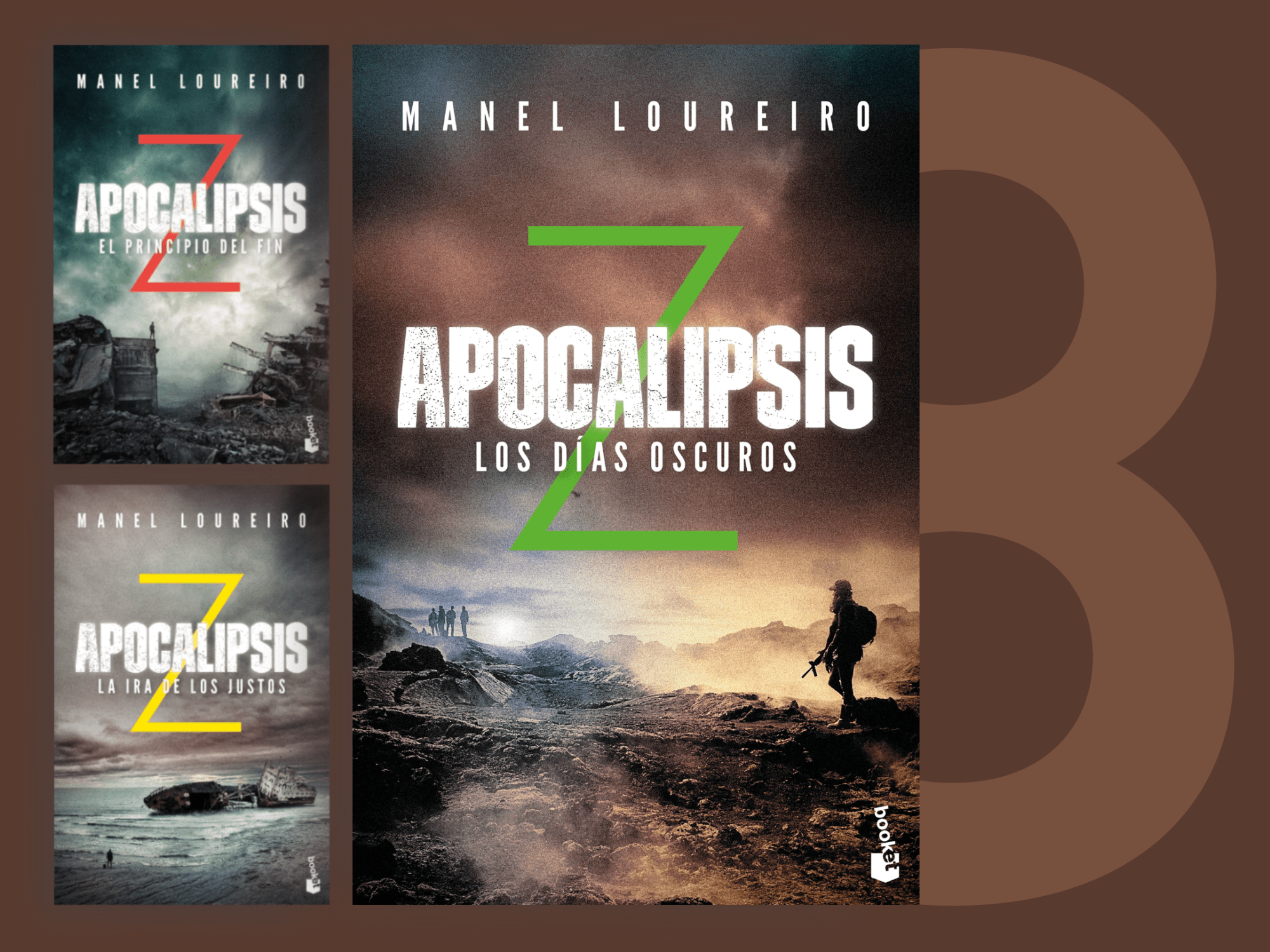
Zombie stories never really clicked with me. I tended to write them off as uninspired — just variations on the theme of decaying bodies shuffling around and trying to randomly bite people. They seemed repetitive and unimaginative. However, while browsing Prime Video one day, I stumbled upon “Apocalipsis Z: el principio del fin,” a film based on book one of Manel Loureiro’s “Apocalipsis Z” trilogy (known in English as “Apocalypse Z”). Living in Spain and being comfortable with the language, I decided to give it a chance, more out of sheer boredom than genuine interest. I got about 20 minutes into the film and then stopped. I was enjoying it, but I had this feeling that I should read the book first. I read the first installment and was hooked. I had to read the second right after, and I wouldn’t be happy until I’d read the third.
Manel Loureiro’s “Apocalipsis Z” trilogy offers a visceral and engaging take on the zombie apocalypse, immersing us in a world overrun by the “not-dead”. Comprising “Apocalypse Z: The Beginning of the End”, “Apocalypse Z: The Darkest Days”, and “Apocalypse Z: The Wrath of the Righteous”, the books have a relentless pace, very graphic depictions of violence, and a cinematic portrayal of societal decay.
From the outset, the books plunge into intense encounters with the undead, offering little breathing space. (I can only imagine this constant tension and the explicit depiction of zombie violence is a delight for hardcore zombie horror fans!) Yet, what truly captivated me was that the trilogy transcends mere gore. It also goes into the psychological and emotional toll of survival, exploring themes of desperation, resilience, and the moral compromises individuals make when faced with extreme circumstances. Though the primary focus rests on survival, the series develops its characters, allowing us to become invested in their fates. Unsurprisingly, the books are not deeply introspective, but they provide enough insight into the motivations and struggles of the survivors to create empathy and concern.
My familiarity with the Spanish locations where the first two books are set allowed me to connect with the narrative on a personal level. The vivid depiction of the desolate urban and rural landscapes further enhanced the authenticity and atmosphere.
Loureiro started publishing the “Apocalipsis Z” stories online, in a blog format. This format allowed him to develop the story and interact with readers from the very beginning, receiving feedback while building a fan base. The first book retains much of the original blog structure, presenting itself as a series of blog entries, written in the first person by the protagonist. This approach also contributes to the sense of realism, drawing us directly into the unfolding events and creating a feeling of experiencing the apocalypse alongside the protagonist.
The trilogy format suits “Apocalipsis Z”, allowing Loureiro to effectively transition from the initial outbreak to the long-term fight for survival, culminating in a satisfying conclusion. The main drawback is that the recaps at the beginning of the second and third installments create a slow start — a problem especially noticeable when reading them back-to-back, as I did.
So, having said all this (and on purpose I’m not saying much about the story or how the zombies appeared), it’s time for my final verdict. I really enjoyed the books (and now I’m curious about Max Brooks’ “World War Z”), so I’m giving them an 8.
– S –
 Imaginary Worlds Book Club